Introduction
In the realm of modern architecture, the material choices are endless. Among them, softwood timber has emerged as a versatile and sustainable option that meets both aesthetic and functional demands. With its lighter weight, ease of workability, and sustainability credentials, softwood timber is becoming increasingly popular among architects and designers. This article delves into the innovative uses of softwood timber in contemporary architectural design, showcasing its adaptability, benefits, and potential future applications.
Softwood timber is generally sourced from coniferous trees such as pine, spruce, and fir. Unlike hardwood timber—which comes from deciduous trees—softwoods tend to grow faster and are often more readily available and cost-effective. This accessibility has made softwood not just an ecological choice but also an economical one for various construction projects.
Innovative Uses of Softwood Timber in Modern Architecture
1. Sustainable Building Practices
1.1 The Role of Softwood Timber in Sustainability
The construction industry is one of the largest contributors to greenhouse gas emissions. However, by utilizing softwood timber sourced from sustainably managed forests, architects can significantly reduce their carbon footprint. Softwoods sequester carbon dioxide as they grow, meaning that using them in building materials effectively locks away carbon long-term.
1.2 Certification Schemes for Sustainable Timber
Many organizations promote sustainable forestry practices through certification schemes like the Forest Stewardship Council (FSC) and the Programme for the Endorsement of Forest Certification (PEFC). By sourcing softwood timber that carries these certifications, builders can ensure their materials have minimal environmental impact.
2. Lightweight Structural Solutions
2.1 Advantages of Using Softwood in Structural Design
One remarkable Wholesale Timber property of softwood timber is its lightweight nature compared to hardwoods. This characteristic allows for unique structural designs that may not be feasible with heavier materials. For instance, cantilevered structures or intricate truss systems can benefit significantly from the use of softwood.
2.2 Case Studies: Innovative Structures Using Softwoods
Several modern buildings showcase innovative uses of softwoods in their structural design:
- The Tamedia Office Building: Located in Zurich, Switzerland, this building features a wooden framework made almost entirely from softwood. The Tall Wood House: A multi-storey residential building that utilizes cross-laminated timber (CLT), predominantly made from softwoods.
3. Interior Design Applications
3.1 The Aesthetic Appeal of Softwood Timber Interiors
Softwoods bring warmth and character to interior spaces due to their natural textures and colors. Architects often integrate softwoods into ceilings, walls, and flooring to create inviting environments.
3.2 Innovations in Interior Design with Softwoods
From acoustic panels made from engineered wood to furniture crafted entirely from reclaimed softwoods, the possibilities are endless when it comes to interior applications.
4. Acoustic Performance Enhancements
4.1 Sound Absorption Properties of Timber
Softwood timber possesses inherent sound absorption qualities due to its porous structure which makes it an excellent choice for theaters or concert halls where acoustics matter greatly.
4.2 Innovations in Acoustic Design Using Softwoods
Recent projects have integrated softwoods into acoustic panels or ceiling designs that enhance sound quality while maintaining aesthetic appeal.
5. Green Roofing Systems with Softwoods
5.1 Benefits of Incorporating Wood into Green Roofs
Green roofs provide myriad environmental benefits including stormwater management and improved air quality; using lightweight softwoods as part of these systems can offer additional structural benefits.
5.2 Examples of Green Roofs Utilizing Softwood Timber
Some pioneering buildings utilize a combination of green roofs and wooden frameworks to achieve sustainability goals while enhancing visual appeal.
6. Modular Construction Techniques with Softwoods
6.1 The Rise of Prefabricated Wooden Modules
Modular construction has gained traction due to its efficiency and speed; utilizing prefabricated modules made from softwood can lead to quicker build times while maintaining high-quality standards.
6.2 Examples: Successful Modular Projects Using Softwood Timber
- The MoMo project showcased how modular homes could be constructed using sustainable materials like softwoods without compromising on aesthetics or functionality. Various schools have adopted modular designs using CLT panels made primarily from softwoods for quick assembly on-site.
7. Biophilic Design Principles with Softwoods
7.1 The Importance of Biophilia in Modern Architecture
Biophilic design aims to connect occupants with nature through natural elements; incorporating wood—especially locally-sourced softwoods—aligns perfectly with this principle by creating a sense of warmth and comfort indoors.
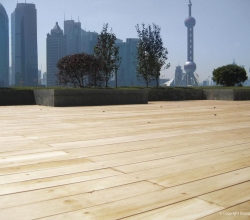
7.2 Case Studies: Biophilic Designs Featuring Softwood Elements
Numerous architectural firms are embracing biophilic principles by using large expanses of glass combined with exposed wooden beams or features crafted from softwood timbers.
8. Fire Resistance Innovations in Timber Construction
8.1 Understanding Fire Safety Regulations for Wood Structures
Historically viewed as a fire hazard, advancements in treatments have improved the fire resistance properties of treated softwoods significantly making them safer for use in multi-storey buildings.
8.2 New Technologies Enhancing Fire Safety in Wood Structures
Engineered wood products like cross-laminated timber (CLT) exhibit increased fire resistance due to their mass; studies show these materials char slowly when exposed to flames providing valuable time for evacuation during emergencies.
FAQ Section
Q1: What types of trees does softwood come from?
A: Softwood generally comes from coniferous trees such as pine, spruce, fir, cedar, etc., known for their fast growth rates compared to hardwood species.
Q2: Is hardwood timber more durable than softwood?
A: Generally speaking yes; hardwood tends to be denser than most softwoods making it more resistant against wear over time especially when used outdoors or heavily trafficked areas.
Q3: Can I use untreated softwood outdoors?
A: Untreated softer woods aren't recommended outdoors unless they’re protected via natural oils or finishes since they’re prone decay otherwise; opting for pressure-treated varieties helps mitigate this risk effectively!
Q4: Why is sustainability important when choosing wood materials?
A: Sustainability ensures we utilize resources responsibly minimizing environmental impacts while promoting biodiversity within forest ecosystems through careful management practices ensuring future generations benefit too!
Q5: How does cross-laminated timber compare against traditional methods?
A: Cross-laminated timber offers enhanced strength-to-weight ratios allowing architects/designers flexibility without sacrificing structural integrity unlike traditional lumber framing techniques which often rely solely upon heavier components ensuring maximum stability throughout builds!
Q6: Are there any downsides associated with using timber products like CLT?
A: While CLT boasts many advantages including reduced waste during production processes & lower overall carbon footprints; potential concerns include susceptibility towards moisture damage if improperly sealed leading ultimately towards compromised performance over time if neglected adequately addressing maintenance needs regularly throughout lifespan useage scenarios!
Conclusion
The innovative uses of softwood timber in modern architecture showcase not only its versatility but also its capacity to contribute positively towards sustainability efforts within our built environment today! From lightweight structures facilitating intricate designs all the way down towards biophilic interiors seamlessly merging outdoor influences seamlessly alongside indoor living spaces; it's clear why more architects gravitate toward incorporating this renewable resource into their projects going forward! Whether you're considering embarking upon your own construction journey soon—or simply wish learn about emerging trends influencing today's architectural landscape—we hope this article provided valuable insights regarding how utilizing high quality sources like those found at reputable dealers specializing specifically within realms related towards timber wholesale operations will aid you throughout process ensuring success throughout endeavors undertaken along way!